
The Science of Stress in Lost Pets — And How Fast Identification Saves Lives
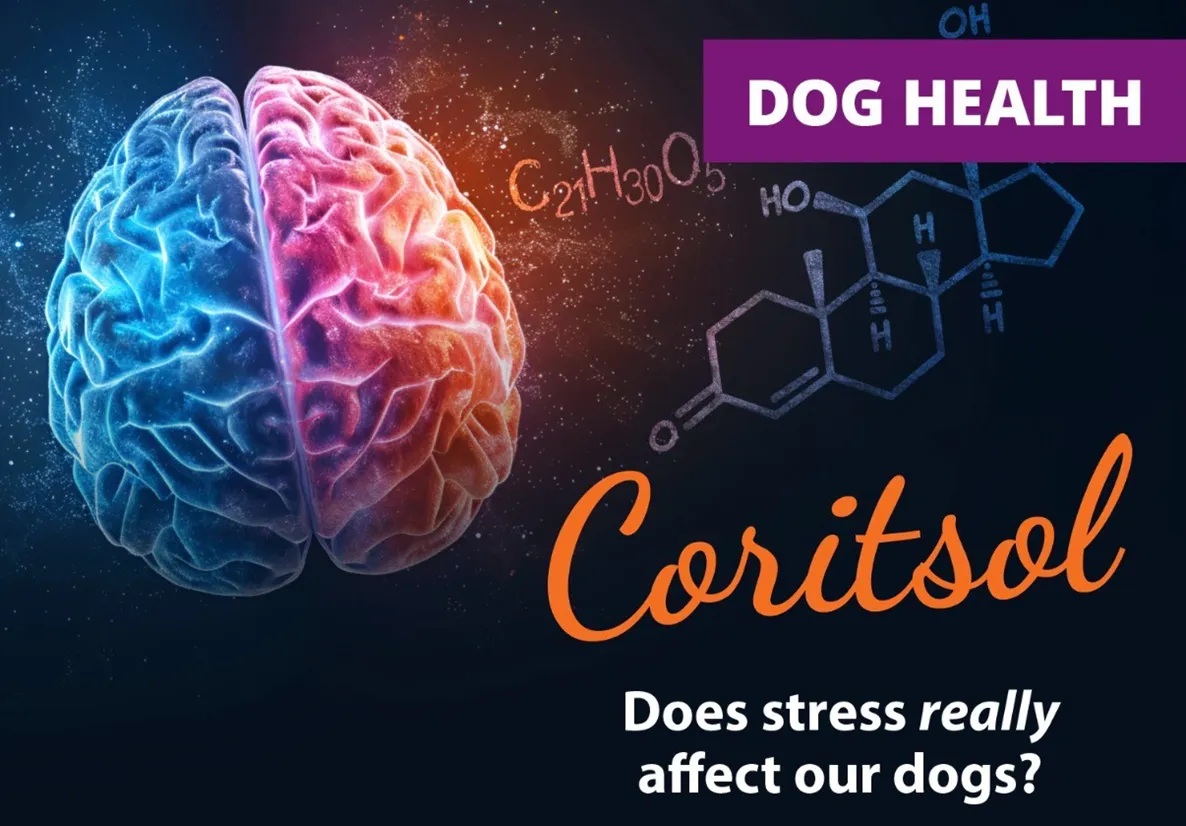
When a pet goes missing, it’s heartbreaking for families. But what’s often overlooked is what the pet is experiencing in those moments away from home. For dogs and cats, being lost isn’t just confusing — it triggers a powerful biological stress response that can quickly turn dangerous.
Understanding the science behind this stress shows why fast identification isn’t just convenient. It can literally save lives.
What Happens in a Pet’s Body When They’re Lost
Pets are creatures of routine, scent familiarity, and territory. The moment they’re separated from their home environment, their nervous system goes into survival mode.
Here’s what happens:
1. Cortisol Spikes (The Stress Hormone)
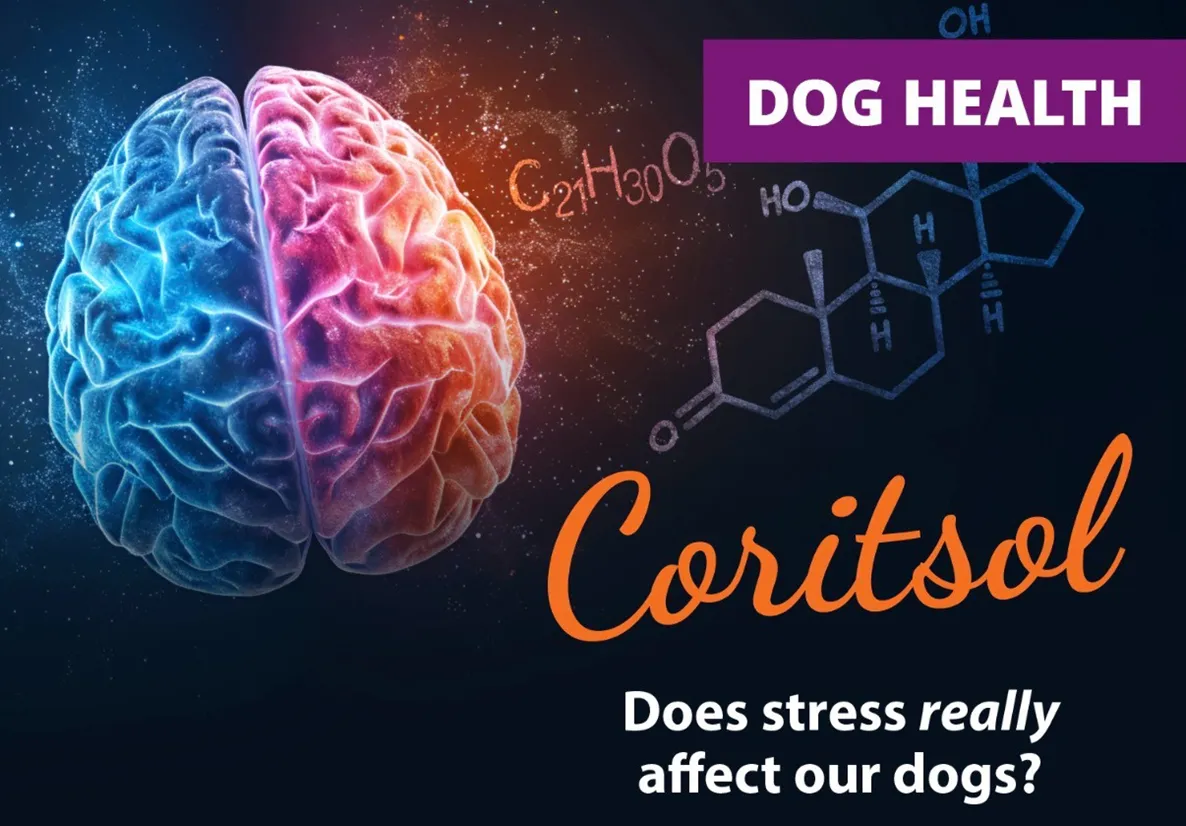
When a pet becomes lost, their body releases cortisol and adrenaline. These hormones are meant to help them escape danger, but prolonged elevation causes:
- Rapid heartbeat
- Shallow breathing
- Digestive shutdown
- Muscle fatigue
- Impaired immune response
High cortisol also reduces their ability to think clearly, making them more likely to bolt, hide, or refuse help.
2. Sensory Overload and Panic
A lost pet is suddenly exposed to:
- Unfamiliar sounds
- Strange smells
- Unknown people and animals
- Traffic and urban chaos
Dogs may run farther instead of stopping. Cats may hide silently and refuse food or water for days.
3. Dehydration and Hypoglycemia
Stress suppresses thirst and appetite. Even in mild weather, a lost pet can become dehydrated within 24–48 hours. Small breeds and puppies are especially vulnerable to low blood sugar, leading to weakness or collapse.
4. Shutdown Response
Some pets don’t run — they freeze. A frightened dog or cat may hide under cars, in drains, or behind buildings, becoming harder to find with each passing hour.
Why Time Is the Most Critical Factor

- Every hour a pet stays lost increases risk:
- Injury from vehicles or other animals
- Heat exhaustion or hypothermia
- Poisoning or ingestion of unsafe food
- Severe dehydration
- Permanent trauma or behavioral changes
The faster a lost pet is identified and reunited, the less time their body spends in this harmful stress state.
How Fast Identification Reduces Stress and Saves Lives
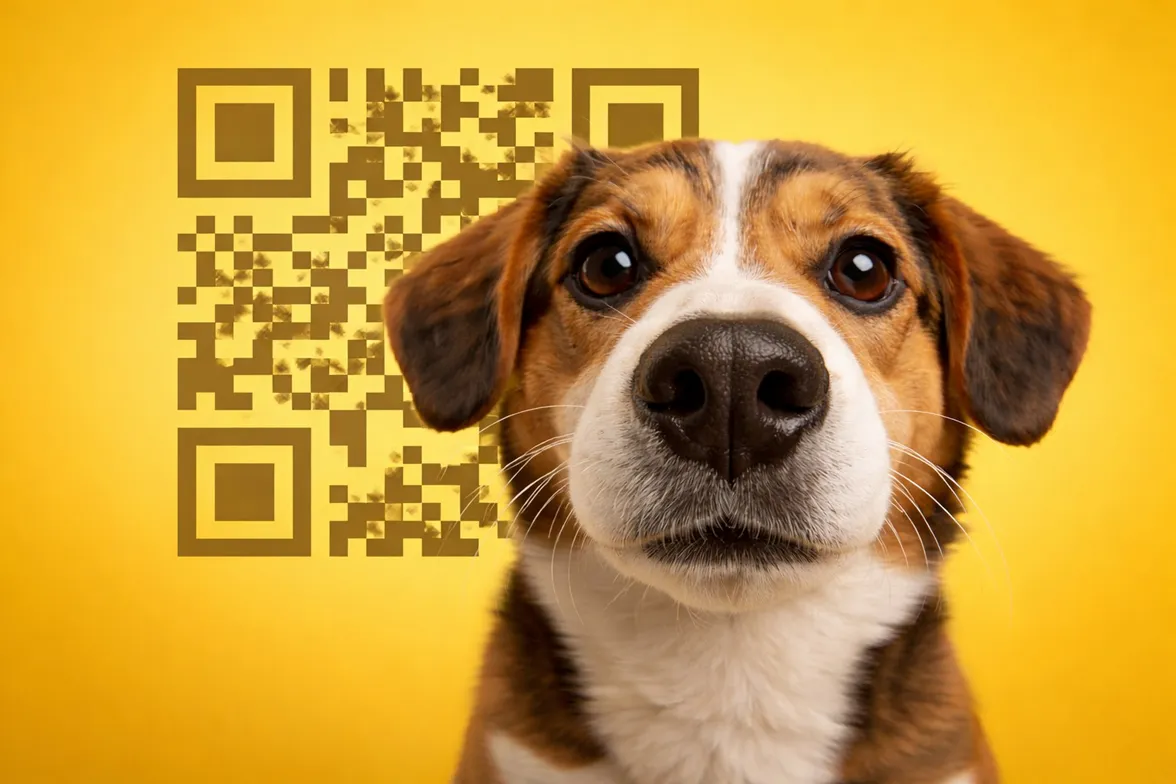
Smart QR code ID tags like StarTag turn a random moment of discovery into instant action.
Here’s why they matter biologically and practically:
1. Immediate Owner Contact
A finder scans the tag and sees your contact info instantly — no vet visit required. This can shave hours or even days off reunion time.
2. Medical and Behavioral Clues
A profile can show:
- Health conditions
- Allergies
- Anxiety triggers
- Medication needs
This helps the finder care for your pet safely until you arrive.
3. Lower Panic, Faster Containment
When a finder knows your pet’s name and temperament, they’re more likely to calm them and keep them safe instead of letting them run off again.
4. No Power, No Batteries, No App Needed
QR tags work anywhere, anytime. A smartphone is all it takes.
Final Thoughts
The science is clear; the faster a lost pet is identified, the lower their stress, the fewer the risks, and the better their chances of a safe reunion. But in today’s world, relying on a tiny engraved tag alone is like using a landline in a smartphone era.
A modern ID tag should:
- Be readable instantly
- Store rich information
- Work globally
- Update easily
- Help strangers help your pet faster
That’s exactly what StarTag is designed to do — blending technology with compassion to reunite families and protect lives.
Concerned about your pet’s safety? Protect them with a StarTag today.