
Why Dog Identification Matters in the Fight Against Rabies

Rabies remains one of the world’s deadliest yet most preventable diseases. Once symptoms appear, rabies is almost always fatal. Yet every year, tens of thousands of people still die from it, the majority in Asia and Africa, where dog-mediated rabies remains widespread.
At the heart of rabies prevention is a simple truth: vaccinating dogs saves human lives. But ensuring the right dogs are vaccinated, and tracking which ones still need protection, is a much harder challenge than it seems.
A recent research study published in Pattern Recognition highlights how effective dog identification could transform rabies control efforts.
The Rabies Problem: Why It Persists

Rabies is caused by a virus that attacks the nervous system and is usually transmitted through bites or scratches from infected animals.
Dogs account for nearly UU% of human rabies cases globally.¹ In many countries, large populations of free-roaming or semi-owned dogs make consistent vaccination coverage difficult. Without knowing which dogs have already been vaccinated, public-health teams struggle with:
Duplicate vaccinations of the same dogs
Missing high-risk dogs altogether
Incomplete vaccination records
Weak outbreak surveillance
The result? Rabies persists, not because we lack vaccines, but because we lack reliable systems to identify and track dogs over time.
A New Approach: Biometric Dog Identification
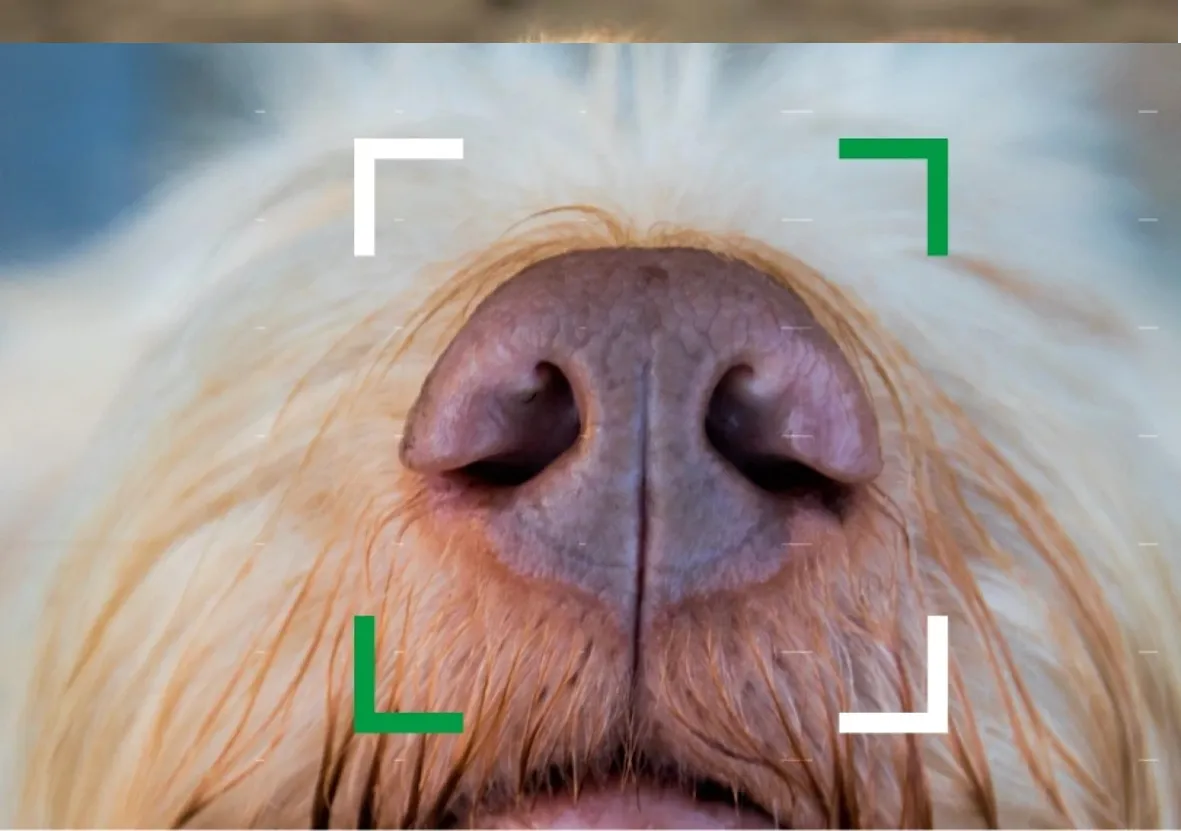
The ScienceDirect article “Dog identification based on textural features and spatial relation of noseprint” proposes a fascinating solution: identifying dogs using their unique noseprint patterns, much like human fingerprints.
The researchers used advanced image-processing and pattern-recognition techniques to extract textural and spatial features from dog noseprints. Their findings showed that:
Each dog’s noseprint is unique
These patterns can be digitally captured
High identification accuracy is achievable
The system is non-invasive and low-stress for animals
Why Identification Matters for Rabies Control
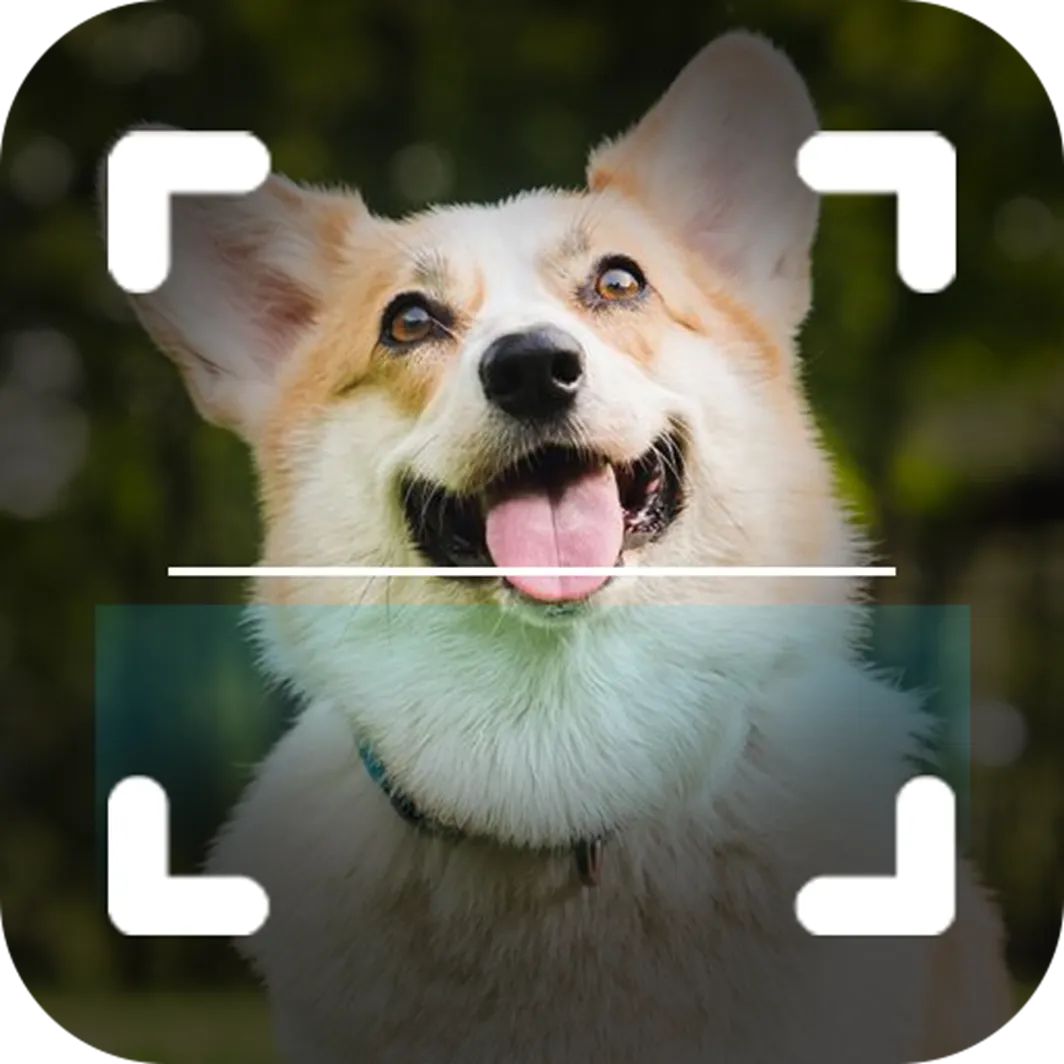
The study highlights a critical point: rabies can be prevented if vaccination reaches the right dogs, and to do that, dogs must be reliably identifiable.
Here’s how dog identification changes everything:
1. Targeted Vaccination:
Knowing exactly which dog is which helps animal-health teams ensure that unvaccinated dogs are prioritized. It also prevents unnecessary repeat vaccinations.
2. Stray Dog Management:
Municipal and shelter programs can track individual dogs over time, monitor their health status, and avoid repeatedly capturing the same animals.
3. Disease Surveillance:
Linking a dog’s identity to its vaccination record enables faster outbreak detection, better contact tracing, and more effective public-health responses.
4. Responsible Ownership:
Identification encourages owners to register, vaccinate, and take long-term responsibility for their pets.
What Effective Rabies Prevention Really Looks Like
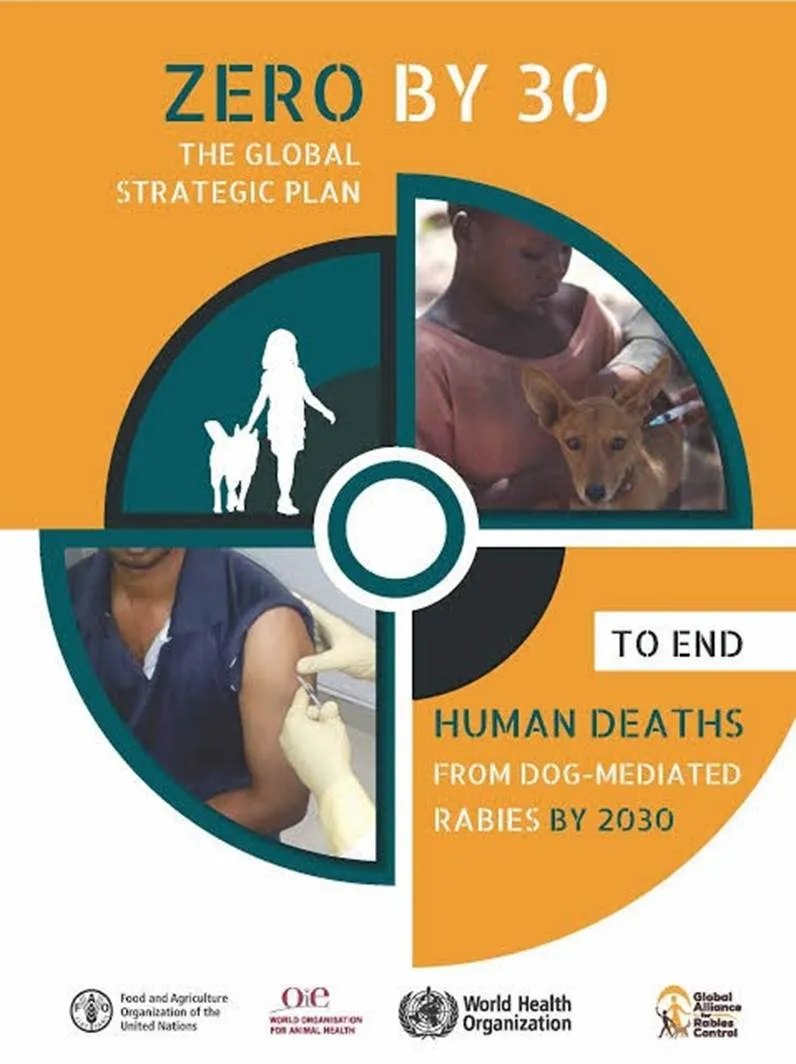
Global health authorities agree: vaccinating at least 70% of dogs in a population can interrupt rabies transmission.
But vaccination alone isn’t enough. Long-term rabies elimination requires:
Mass dog vaccination campaigns
Reliable dog identification systems
Registration and tracking of vaccinated dogs
Spay/neuter programs to stabilize dog populations
Public education on responsible pet ownership
Digital health records tied to each animal’s identity
Biometric approaches like noseprint identification could become a powerful addition to microchipping, QR tags, and registration platforms — especially in regions where cost, infrastructure, or access limit traditional systems.
Final Thoughts: Every Dog, Every Bite, Every Life Counts

Rabies is not a mysterious disease. We know how it spreads. We know how to prevent it. And we already have effective vaccines.
What’s missing in many regions isn’t science — it’s systems.
By combining mass vaccination with reliable dog identification, communities can ensure that:
No dog is left unprotected
No vaccination effort is wasted
No outbreak goes unnoticed
Efficient dog identification — whether through noseprints, QR-based tags, or other methods — is not just a technical upgrade. It’s a public-health breakthrough. Because in the fight against rabies, every dog that’s protected is a step toward saving a human life, too.
Update your pet’s Vaccination Status on the StarTag website today.